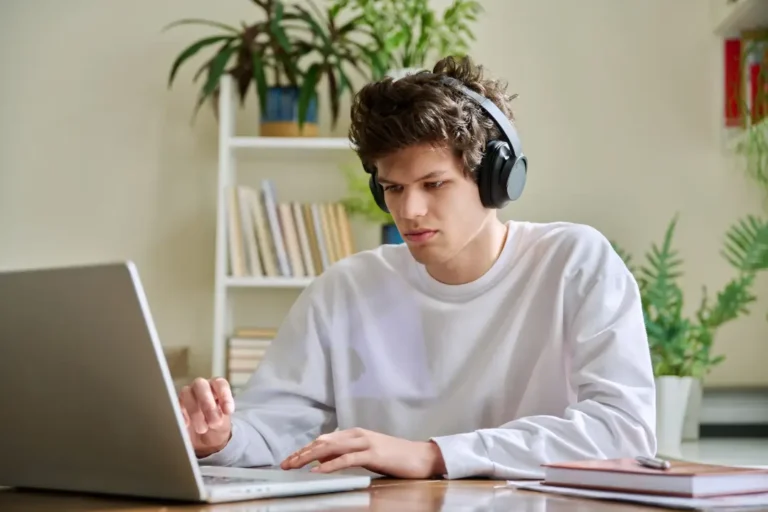
Finals week. The phrase alone can make your pulse quicken. You’ve got a mountain of notes, a to-do list that seems to grow by the hour, and a creeping sense that time is slipping through your fingers. It’s easy to feel overwhelmed, speaking from experience, especially when everyone around you seems to be stressing just as much as you are.
But here’s the truth: success during finals isn’t about how long you study; it’s about how well you study. The best students aren’t necessarily the ones pulling all-nighters in the library; they’re the ones who plan smartly, use their time efficiently, and take care of their minds and bodies along the way.
You don’t have to be a genius or a robot to crush your finals. You just need strategy, structure, and a little self-discipline (with a side of self-kindness). Let’s break down how to study for finals in high school.
How to Study for Finals

Below is how to study for finals broken into four parts:
Part 1: How to Set Aside Time to Study for Finals
The biggest mistake students make during finals season is waiting until they “feel like studying.” Here’s the thing: you won’t. You’ll feel like watching one more episode, checking one more notification, or reorganizing your desk “just to get ready.” Discipline begins when you study even when you don’t feel like it.
Start by making a realistic study schedule, one that fits your life, not a fantasy version of it. Grab a calendar or planner and map out your next few days. Write in your exams first, then block out specific chunks for each subject. Be specific: “Biology review from 4:00–4:45” is far better than “Study biology sometime today.” Specific plans create momentum.
A few more pro tips that have worked for me:
- Front-load your hardest subjects. You have the most energy earlier in the day, so tackle the material that demands the most focus when you’re sharpest.
- Use the “two-day rule.” Don’t go more than two days without touching a subject you’ll be tested on. Even a short review keeps information fresh.
- Build in rewards. After a 90-minute study session, take a walk, make a snack, or check your phone guilt-free. Small incentives reinforce discipline.
And remember: balance matters. If your schedule is so packed that you can’t breathe, you’ll burn out before test day. Aim for consistency over intensity. A little progress each day is far more sustainable—and far less stressful—than last-minute cramming.
For more tips and suggestions, check on my other blog on building strong long-term study habits.
Part 2: How to Make the Most of 30 Minutes Studying for Finals
What if you only have half an hour before dinner, practice, or bedtime? Believe it or not, 30 minutes is plenty…if you use it wisely.
The secret is to study actively, not passively. Passive studying is rereading notes and highlighting words you’ll never look at again. Active studying means engaging with the material—doing something that makes your brain work.
Here’s a simple 30-minute structure that top students swear by:
Minute 0–5: Quick Review
Skim your notes or textbook to refresh your memory on what you’re about to study. This process primes your brain to make connections.
Minute 5–20: Focused Practice
Choose one small, specific goal, like mastering the causes of World War I (the hardest test in my AP World History class back in the day) or practicing ten algebra problems. Challenge yourself to recall information, not just reread it. Use flashcards, self-quizzes, or teach the topic aloud as if you’re explaining it to a friend.
Minute 20–30: Reinforce and Reflect
Spend the last few minutes summarizing what you learned, either by writing a brief recap, creating a quick diagram, or listing the main ideas from memory. This step solidifies what you studied and highlights what you still need to review.
It’s amazing what 30 minutes can do when you’re intentional. Even if you only get two or three focused sessions a day, you’ll retain far more than someone who spends hours zoning out over a textbook.

Part 3: Don’t Forget to Take Breaks to Avoid Burnout
Imagine running a marathon without water breaks. You might start strong, but you’ll crash hard before the finish line. Studying is the same way: without breaks, your focus fades and your memory suffers.
The ideal rhythm? Study in focused bursts with short, intentional pauses. Many students find success with the Pomodoro Technique: 25 minutes of studying followed by a 5-minute break. After four cycles, take a longer 20- to 30-minute break.
During your breaks, actually step away from your desk. Stretch, move, get a drink, or stare out the window. Don’t doomscroll or multitask. Your brain needs real rest to recharge.
Breaks aren’t laziness; they’re strategy. When you return to your books, your concentration will rebound, your retention will improve, and your motivation will last longer.
Remember, finals season is a sprint made up of mini-marathons. Pacing yourself is the difference between crossing the finish line confidently and dragging yourself there on fumes.
Part 4: Sleeping Helps Consolidate Your Memory
There’s a myth that the students who stay up all night are the ones who care the most. In reality, they’re often the ones who remember the least.
When you sleep, your brain isn’t shutting down—it’s filing away what you learned. Scientists call this memory consolidation. Think of it like your brain’s overnight data backup. Without enough sleep, your brain can’t properly store the information you studied, no matter how many hours you logged.
So, what’s “enough”? Most high school students need 8 to 9 hours a night, especially during high-stress periods like finals. If that sounds impossible, start by moving your bedtime up 15 minutes at a time. Even small gains in sleep quality can boost your alertness, memory, and mood.
At Stanford, I took a class my freshman year called “Sleep and Dreams,” which revolved around the science of sleep. However, the class also gave students practical advice that they could apply to their sleep schedules during their college career and even beyond. Here are a few sleep-smart habits I learned in that class:
- Avoid caffeine after mid-afternoon. That second energy drink might power your body, but it confuses your brain.
- Keep screens out of your bed. The blue light delays your body’s natural sleep signals.
- Review gently before bed. But don’t cram. Skimming your flashcards or summarizing your notes can reinforce memory without spiking anxiety.
You’ll thank yourself in the morning when your brain feels clear instead of foggy and your test answers flow effortlessly from memory.
(Note: for my athletes and dancers in the audience, this technique works with muscle memory as well! You might find that your fouettes, double lutzes, and tennis swings are slightly better the day after an intense practice session.)
Conclusion: Key Takeaways
Finals season can feel like a test of endurance, but it’s really a test of strategy.
Here’s your quick recap on how to study for finals:
- Plan smartly. Make a schedule that fits your life, not your ideal version of it.
- Study actively. Challenge yourself to recall, not just reread.
- Take breaks. Resting your mind is part of learning.
- Sleep. It’s your brain’s secret weapon.
The students who do best on finals aren’t necessarily the smartest. They’re the ones who respect their time, their energy, and their limits. You can absolutely be one of them.
So take a breath. Make a plan. Close those extra tabs. You’ve got this, And in a few weeks, when your finals are behind you and your stress has melted away, you’ll realize that smart studying isn’t just about getting good grades. It’s about learning how to take control of your time, your focus, and your future.
And that’s a lesson that lasts long after the final bell.
If you’re looking for more advice, check out our other guides on studying for:
Interested in personalized academic tutoring or test prep tutoring? Our expert tutors can help! Reach out today to schedule your free consultation.