
With highly respected education and more affordable tuition compared to many US colleges, Canada is an excellent choice to consider as you build your college list. In this guide, we’ll explore the top Canadian universities for US students, highlight key differences in applications and academics, and discuss the advantages (and potential challenges) of studying north of the border.
One important note, in Canada (as in much of the rest of the world), the words college and university are not interchangeable. College typically refers to community colleges or institutions focused on a specific trade or job. While some colleges do offer Bachelors degrees, most US students would be looking for universities, which include Bachelors, Masters, and PhD programs as well academic research opportunities.
Why Choose a Canadian University as a US Student?
Before diving into specific schools, let’s look at why Canada is a great option for American students:
- Lower Tuition: Even as international students, costs can be lower than US schools.
- High Quality Education: Canadian universities are often ranked among the top in the world
- Post Grad Opportunities: Many of Canada’s provinces offer opportunities to Canadian graduates to live and work in the country after graduation.
- English Language and Cultural Similarities: Can be an option with easier adjustments than Asia or Europe.
Why Not Choose a Canadian University as a US Student?
There are some challenges and drawbacks to consider as well:
- Student Visa Requirements: US Students need a study permit to study long term in Canada.
- Sports: Canadian universities do not center sports culture like US universities, which can lead to a different “college” experience. (This could be cited as a benefit for some students.)
- Weather: While Canada is a large country with a lot of weather variation, many areas can be colder than most of the U.S. (Some may see this as a positive, too!)
- Cost: Major cities in Canada (Toronto & Vancouver especially) can be costly to live in, plus there may be larger transportation costs for any part of Canada for US students.
Top Canadian Universities for US Students
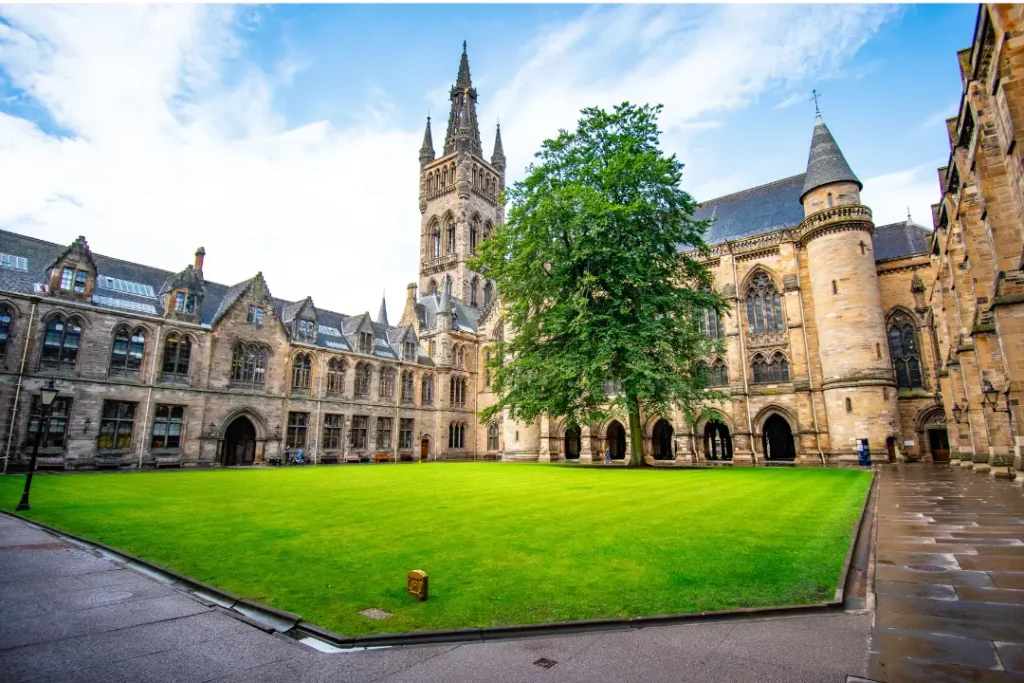
Now, let’s explore some of the top Canadian universities for US students.
1. University of Toronto (UofT)
Location: Toronto, Ontario
Ranked #1 in Canada (QS World Rankings 2024)
- Why US Students Love It: Ivy League-level prestige with strong programs in business, engineering, and humanities.
- Application Differences: No Common App—apply directly through the OUAC portal. Personal statements are less emphasized than in US applications. Grades and test scores are more important.
- Unique Perk: Toronto’s global city vibe offers internship opportunities in finance, tech, and media.
2. University of British Columbia (UBC)
Location: Vancouver, British Columbia
Stunning campus between mountains and ocean
- Why US Students Love It: A mix of rigorous academics and outdoor adventure (skiing, hiking, beaches).
- Key Difference: UBC uses a percentage-based grading system (not GPA), which can take some adjustment.
- Post-Grad Advantage: Vancouver is a tech hub—great for students eyeing jobs at Amazon, Microsoft, or startups.
3. McGill University
Location: Montreal, Quebec
Known as the “Harvard of Canada”
- Why US Students Love It: Strong pre-med, law, and liberal arts programs with a US-style campus feel.
- Language Note: While classes are in English and surrounding Montreal is relatively bilingual (French/English), French is the official language of the province (Quebec).
- Application Tip: No supplemental essays—focus on grades and extracurriculars.
4. University of Waterloo
Location: Waterloo, Ontario
Top for STEM and co-op programs
- Why US Students Love It: One of Canada’s best tech schools (think Silicon Valley North).
- Co-op Difference: Alternates study terms with paid work terms—great for building a resume before graduation.
- Pitfall: The fast-paced co-op schedule can be intense compared to US semester structures.
5. McMaster University
Location: Hamilton, Ontario
Renowned for health sciences and research
- Why US Students Love It: Problem-based learning (similar to US liberal arts approaches).
- Admissions Difference: Some programs require supplementary applications or video interviews.
- Bonus: Close to Toronto but with a smaller, tight-knit campus feel.
Other Notable Canadian Universities for US Students
- University of Alberta (Edmonton, Alberta) – Strong in engineering and energy sectors.
- Queen’s University (Kingston, Ontario) – Ivy-like vibe with a strong business school.
- Dalhousie University (Halifax, Nova Scotia) – Leading Atlantic Canada university with strengths in marine biology, law, and health professions.
If you’re looking for a high-quality education with international opportunities, Canadian universities for US students are an excellent choice. Research each school’s programs, costs, and location to find your best fit!
Understanding the Canadian Admissions Process for U.S. Students

If you’re a U.S. student used to the Common App, long personal essays, and detailed activity lists, the Canadian university admissions process may feel surprisingly simple—but there are still key differences to understand.
No Common App
Canadian universities don’t use the Common Application. Instead, you’ll apply either through a provincial application portal (like OUAC for Ontario universities) or directly on each university’s website. Be sure to track where and how each school expects your application.
Grades Matter More Than Essays
Unlike U.S. schools that weigh essays, recommendations, and extracurriculars heavily, Canadian universities focus primarily on your academic record. Most programs do not require personal essays, and when they do, they are often short and program-specific.
Limited Focus on Extracurriculars
While leadership and involvement may help with competitive or scholarship programs, they’re not central to admissions like they often are in the U.S. Your GPA and course rigor will carry the most weight.
Different Deadlines
Application timelines in Canada vary, but most fall between January and March. However, some programs (like engineering, health sciences, or business) may have earlier deadlines or fill on a rolling basis—so apply early to maximize your chances and scholarship eligibility.
Program-Based Applications
Instead of applying to a university and choosing your major later (as is common in the U.S.), Canadian universities often require you to apply directly to a program of study. That means you’ll need to meet specific prerequisites—such as particular math or science courses in high school.
For U.S. students, navigating these differences may take a bit of adjustment—but the process is typically more transparent and focused. Once you understand how it works, applying to Canadian universities can be a refreshingly straightforward experience.
Conclusion
Studying in Canada offers American students an exciting, affordable, and globally respected alternative to traditional US colleges. From world-class academics to vibrant, diverse cities, Canada has much to offer—if you’re ready for a new kind of college experience. Explore your options, ask questions, and see if studying north of the border might be the perfect fit for you.
Have questions about applying to Canadian universities—or finding the right college fit?
Our team at HelloCollege is here to help. Schedule a free consultation with one of our college admissions experts to get personalized guidance on everything from international applications to finding the right fit in the U.S. or abroad.